Market Overview
The global Military Land Vehicles Market was valued at USD 24.80 billion in 2023 and is projected to reach approximately USD 33.08 billion by 2030, growing at a compound annual growth rate (CAGR) of 4.20% during the forecast period from 2024 to 2030. Increasing defence expenditure, military modernization programs, evolving security challenges, and advancements in vehicle technologies are among the major factors supporting market expansion.
Feel free to request a complimentary sample copy or view a summary of the report: https://www.maximizemarketresearch.com/request-sample/189521/
Military land vehicles are specialized platforms developed to support armed forces across combat operations, reconnaissance, logistics, surveillance, engineering, and recovery missions. These vehicles include armoured fighting vehicles (AFVs), light protected vehicles, military transport vehicles, and unmanned ground vehicles (UGVs). Designed to operate in challenging environments, they provide mobility, protection, durability, and operational flexibility to military personnel.
Asia-Pacific is expected to represent a significant growth opportunity because of increasing defence expenditure and modernization initiatives in countries such as China, India, Japan, and South Korea. Europe is also witnessing growing demand as governments strengthen defence capabilities and pursue collaborative procurement programs. North America remains an important market, supported by established defence contractors, advanced research capabilities, and continuing investments in military vehicle modernization.
Market Drivers and Trends
Increasing Defence Expenditure and Military Modernization
Rising defence budgets are a primary driver of the Military Land Vehicles Market. Governments are investing in modern military equipment to enhance national security, improve operational readiness, and respond to emerging threats. Many armed forces are replacing older vehicles with platforms offering better protection, greater mobility, and improved reliability.
Military modernization programs are creating opportunities for manufacturers of armoured personnel carriers, infantry fighting vehicles, tactical trucks, and combat support platforms. Procurement decisions increasingly consider lifecycle costs, maintenance requirements, interoperability, and the ability to upgrade vehicles throughout their service life.
Feel free to request a complimentary sample copy or view a summary of the report: https://www.maximizemarketresearch.com/request-sample/189521/
Advancements in Armoured Vehicle Protection
Protection remains a major consideration in military vehicle development. Manufacturers are incorporating advanced armour materials, modular protection systems, improved crew compartments, and vehicle designs intended to increase survivability in demanding operational environments.
Modular vehicle architectures are gaining importance because they allow defence forces to configure platforms for different missions. This flexibility can help military organizations manage procurement costs while adapting vehicle fleets to changing operational requirements.
Electrification and Hybrid Propulsion Technologies
Electrification is emerging as an important trend in military vehicle development. Defence organizations are evaluating hybrid-electric and fully electric technologies, particularly for selected support and non-tactical applications.
Hybrid propulsion systems can potentially improve fuel efficiency, reduce engine noise, and provide additional onboard electrical power. These capabilities are relevant for military logistics, surveillance support, and operations where lower acoustic signatures may be beneficial. However, battery performance, charging infrastructure, extreme-weather operation, and field maintenance remain important considerations.
Manufacturers are therefore exploring propulsion solutions that balance energy efficiency with the range, durability, and reliability required for military missions.
Growing Adoption of Unmanned Ground Vehicles
Unmanned ground vehicles are creating new opportunities within the military land vehicle industry. These platforms can support logistics, reconnaissance, surveillance, inspection, and other tasks while reducing personnel exposure to hazardous environments.
The integration of sensors, cameras, navigation systems, remote-control technologies, and artificial intelligence is expanding the potential applications of unmanned platforms. Defence organizations are evaluating these systems to complement conventional vehicle fleets and improve operational flexibility.
The adoption of unmanned vehicles will depend on factors such as communications reliability, cybersecurity, autonomous navigation performance, interoperability, and the ability to operate in complex terrain.
Digitalization and Connected Military Platforms
Digital technologies are becoming increasingly important in modern military vehicles. Integrated communications, navigation, diagnostics, and vehicle health-monitoring systems can help improve coordination and maintenance planning.
Predictive maintenance technologies can identify potential mechanical issues before they result in major failures, supporting fleet availability and reducing unexpected downtime. Digital integration also allows vehicle operators and maintenance teams to access relevant operational information more efficiently.
As military forces pursue network-enabled operations, manufacturers are focusing on secure and interoperable electronic systems that can function alongside existing defence infrastructure.
Regional Security Challenges and Procurement Opportunities
Regional conflicts, border security concerns, and changing geopolitical conditions are encouraging governments to reassess military readiness. These developments are increasing the importance of modern armoured vehicles, protected transport systems, and logistics platforms.
Emerging markets are also creating opportunities for manufacturers through domestic production initiatives, technology partnerships, maintenance agreements, and vehicle modernization contracts. However, defence procurement remains influenced by government budgets, export regulations, procurement timelines, and geopolitical relationships.
Key Market Segments Covered
The Military Land Vehicles Market is segmented by vehicle type, application, and region.
By Vehicle Type
Armoured Fighting Vehicles (AFVs): Armoured fighting vehicles represent an important segment because they provide protected mobility and support combat-related missions. These platforms include various categories of armoured vehicles designed to meet different operational requirements. Demand is influenced by modernization programs, survivability requirements, and the need to replace ageing equipment.
Unmanned Ground Vehicles (UGVs): Unmanned ground vehicles are attracting increasing attention as defence organizations explore remotely operated and autonomous platforms. They can be used for logistics, reconnaissance, surveillance, inspection, and selected hazardous tasks. Continued progress in sensors, navigation, and autonomous control is expected to support segment development.
Light Protected Vehicles: Light protected vehicles provide mobility and protection for personnel operating in challenging environments. Their applications include patrol, tactical transportation, border security, and support missions. Demand is supported by requirements for flexible platforms that can operate across varied terrain and accommodate different mission configurations.
By Application
Combat Operations: Combat operations remain a major application area for military land vehicles. Armoured platforms support protected mobility and operational effectiveness while meeting the specific requirements of different military forces. Procurement priorities include protection, reliability, maintainability, and compatibility with existing military systems.
Logistics and Support: Logistics and support vehicles are essential for transporting personnel, supplies, equipment, and other resources. Military organizations require dependable vehicle fleets to maintain supply chains and support extended operations. Improvements in fuel efficiency, payload capacity, and fleet management technologies are influencing purchasing decisions.
Reconnaissance and Surveillance: Reconnaissance and surveillance applications require platforms capable of gathering information and supporting situational awareness. Sensor integration, secure communications, and unmanned systems are contributing to the development of vehicles designed for these missions.
Engineering and Recovery: Engineering and recovery vehicles support mobility, equipment recovery, infrastructure-related tasks, and other essential military functions. Their importance is increasing as defence organizations seek comprehensive vehicle fleets capable of supporting operations across different environments.
Feel free to request a complimentary sample copy or view a summary of the report: https://www.maximizemarketresearch.com/request-sample/189521/
Regional Market Analysis
North America: North America benefits from established defence manufacturers, significant research and development capabilities, and ongoing military modernization initiatives. The United States remains an important contributor to regional demand, while Canada also participates in military vehicle procurement and modernization programs. Hybrid-electric technologies, fleet upgrades, and advanced vehicle electronics are among the areas receiving attention.
Asia-Pacific: Asia-Pacific is expected to experience strong growth as China, India, Japan, South Korea, and Australia invest in military capabilities. Regional demand is supported by defence modernization, domestic manufacturing initiatives, and partnerships between international suppliers and local companies. Investments in armoured vehicles, military transport platforms, and unmanned systems are contributing to market opportunities.
Europe: Europe represents another significant market, supported by military modernization and collaborative defence initiatives. Germany, France, the United Kingdom, and other European countries are investing in military vehicle fleets and related technologies. Manufacturers are also focusing on adaptable vehicle architectures, lifecycle cost management, and improved protection systems.
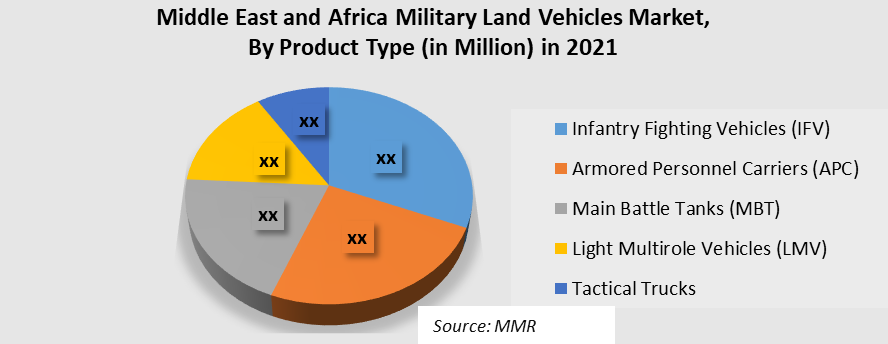
Middle East and Africa: The Middle East and Africa market is influenced by regional security requirements, equipment modernization, and the need to improve operational mobility. Unmanned ground vehicles, protected transport platforms, and hybrid technologies offer potential opportunities. Procurement activity varies considerably by country according to defence budgets, domestic industrial capacity, and security priorities.
South America: South America is a developing market for military land vehicles. Demand is associated with replacing ageing equipment, addressing internal security requirements, and maintaining military readiness. International manufacturers compete with regional suppliers to provide vehicles, upgrades, maintenance, and related support services.
Major Industry Players
The global Military Land Vehicles Market includes established defence contractors and specialized vehicle manufacturers competing through product development, research and development, international partnerships, and long-term supply agreements.
Major industry players include:
- General Dynamics Corporation
- BAE Systems plc
- Rheinmetall AG
- Oshkosh Corporation
- Lockheed Martin Corporation
- AM General LLC
- Navistar International Corporation
- Thales Group
- Textron Inc.
- KNDS (KMW and Nexter)
- ST Engineering Ltd.
- Iveco Defence Vehicles
- Ashok Leyland Ltd.
- Leonardo S.p.A.
- Hanwha Aerospace and its defence businesses
- Tata Motors Limited
- Rostec State Corporation
- Hyundai Rotem Company
- Mitsubishi Heavy Industries
- China North Industries Group Corporation Limited (NORINCO)
- Patria Group
- PT Pindad
- Mahindra Defence Systems
- FNSS Defence Systems
- General Dynamics European Land Systems
These companies contribute to the market through the development and production of armoured vehicles, tactical trucks, military transport platforms, electronic systems, and vehicle modernization solutions.
Competition is shaped by technical performance, vehicle protection, reliability, production capacity, procurement costs, and the ability to meet country-specific requirements. Manufacturers are also pursuing partnerships with governments and domestic defence industries to strengthen regional supply chains and meet local production objectives.
In the coming years, product innovation, digital integration, hybrid propulsion, and unmanned ground systems are expected to influence competitive strategies. Companies that can deliver adaptable platforms with manageable lifecycle costs and dependable after-sales support may be better positioned to benefit from future procurement programs.
Frequently Asked Questions (FAQs)
1. What is the Military Land Vehicles Market size?
The global Military Land Vehicles Market was valued at USD 24.80 billion in 2023, according to the supplied market overview.
2. What is the projected growth rate of the Military Land Vehicles Market?
The market is projected to grow at a CAGR of 4.20% from 2024 to 2030.
3. What will the Military Land Vehicles Market be worth by 2030?
The market is expected to reach approximately USD 33.08 billion by 2030.
4. What are the major factors driving the Military Land Vehicles Market?
Key growth drivers include increasing defence expenditure, military fleet modernization, regional security concerns, technological advancements, and demand for vehicles with improved protection, mobility, and operational flexibility.
5. Which vehicle types are covered in the market?
The principal segments specified in the market scope are armoured fighting vehicles, unmanned ground vehicles, and light protected vehicles.
Conclusion
The Military Land Vehicles Market is expected to maintain steady growth through 2030 as governments prioritize defence modernization, fleet replacement, and operational readiness. Increasing investment in protected mobility, military logistics, advanced electronics, and unmanned ground vehicles is creating opportunities for established manufacturers and emerging technology providers.
For defence contractors, suppliers, investors, and policymakers, understanding market segmentation, regional procurement patterns, technological developments, and competitive strategies will be essential for identifying opportunities in the evolving Military Land Vehicles Market.
Connect With Us:
MAXIMIZE MARKET RESEARCH PVT. LTD.
2nd Floor, Navale IT park Phase 3,
Pune Banglore Highway, Narhe
Pune, Maharashtra 411041, India.
+91 9607365656
sales@maximizemarketresearch.com
About Maximize Market Research:
Maximize Market Research is one of the fastest-growing market research and business consulting firms serving clients globally. Our revenue impact and focused growth-driven research initiatives make us a proud partner of majority of the Fortune 500 companies. We have a diversified portfolio and serve a variety of industries such as IT & telecom, chemical, food & beverage, aerospace & defense, healthcare and others.