Hemophilia Market – Industry Structure Evaluation, Demand Drivers Analysis, Regional Growth Analysis and Identification, Competitive Positioning Review & Global Market Size Forecast to 2032
Market Overview
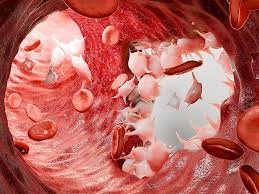
The global Hemophilia Market was valued at USD 14.60 billion in 2025 and is projected to reach nearly USD 21.24 billion by 2032, expanding at a CAGR of 5.5% during the forecast period from 2026 to 2032. Hemophilia is a rare inherited bleeding disorder in which the blood lacks sufficient clotting factors, causing prolonged bleeding after injuries and increasing the risk of internal bleeding in joints, muscles, and the brain.
The growing diagnosis rate of hemophilia, rising healthcare expenditure, and continued advancement in recombinant clotting factors, gene therapies, and prophylactic treatment approaches are reshaping the global market. Increasing awareness among patients and physicians, combined with the development of dedicated treatment centers, is further accelerating adoption of modern hemophilia therapies.
♦ Request a Free Sample Copy or View Report Summary:https://www.maximizemarketresearch.com/request-sample/67045/
Industry Structure Evaluation
The hemophilia market is highly specialized and moderately consolidated, with a small group of multinational pharmaceutical companies controlling a significant share of global revenues. The market is dominated by firms involved in plasma-derived factor concentrates, recombinant coagulation factors, monoclonal antibodies, and emerging gene therapies.
The industry is structured around three major therapy categories:
- Replacement therapy using factor VIII and factor IX concentrates
- Immune Tolerance Induction (ITI) therapy for inhibitor patients
- Gene therapy aimed at long-term correction of the disease
Replacement therapy continues to account for the largest market share due to its widespread use in both on-demand and prophylactic treatment. However, gene therapy is rapidly emerging as the most transformative segment because of its potential to reduce or eliminate the need for repeated infusions.
The market also shows a strong presence of integrated healthcare networks and specialty treatment centers. Hemophilia treatment centers have become an essential component of the industry structure because they provide diagnosis, counseling, preventive care, and long-term management. Public-private partnerships and government-backed reimbursement programs are strengthening access to these facilities in both developed and developing regions.
Demand Drivers Analysis
Several factors are contributing to the expansion of the hemophilia market worldwide.
Rising Disease Prevalence
One of the most important demand drivers is the increasing number of diagnosed hemophilia patients. Hemophilia A remains the most common form of the disease, representing nearly 80% of all cases globally. Hemophilia A affects approximately one in every 5,000 male births, while Hemophilia B accounts for nearly 20% of total cases.
Improved screening and greater awareness are enabling earlier diagnosis, which is increasing demand for long-term treatment and disease management.
Growing Preference for Prophylactic Therapy
The market is witnessing a shift from on-demand treatment toward prophylactic therapy. Prophylaxis involves regular administration of clotting factors to prevent bleeding episodes before they occur. This approach has become increasingly popular because it reduces hospitalization, prevents joint damage, and improves patient quality of life.
Although on-demand treatment held the largest market share in 2025, prophylactic therapy is expected to be the fastest-growing segment through 2032.
Expansion of Hemophilia Treatment Centers
Governments and healthcare organizations are increasingly investing in specialized hemophilia clinics and treatment centers. These facilities offer multidisciplinary care, improve access to medication, and support patients in underserved regions.
The rising number of treatment centers is particularly important in emerging economies, where many patients previously lacked access to specialized care.
Innovation in Gene Therapy and Biologics
The development of long-acting recombinant factors, non-factor replacement products, and gene therapies is significantly expanding market opportunities. Companies are investing heavily in research and development to create therapies with fewer injections, longer-lasting efficacy, and lower risk of complications.
Gene therapy in particular is expected to redefine the market over the next decade by offering potentially curative outcomes for certain patients.
♦ Request a Free Sample Copy or View Report Summary:https://www.maximizemarketresearch.com/request-sample/67045/
Market Segmentation Analysis
By Type
Based on type, the market is segmented into Hemophilia A, Hemophilia B, Hemophilia C, and others.
Hemophilia A accounted for the largest market share in 2025 because of its higher prevalence and the wide availability of approved therapies. The condition is estimated to be four times more common than Hemophilia B.
Hemophilia B is projected to experience the fastest growth during the forecast period due to a strong clinical pipeline and increasing availability of advanced factor IX therapies.
By Treatment
The treatment segment includes on-demand therapy and prophylaxis.
On-demand therapy remained the dominant treatment category in 2025 because of its lower upfront cost and widespread use in developing markets. However, prophylaxis is expected to grow at the fastest pace because it is increasingly recognized as the standard of care for patients with severe disease.
By Therapy
By therapy, the market is divided into replacement therapy, ITI therapy, and gene therapy.
Replacement therapy continues to dominate the market due to its established use and broad physician acceptance. ITI therapy remains important for patients who develop inhibitors against standard factor replacement products. Gene therapy, although still in the early stages of commercialization, is expected to register the highest growth rate through 2032.
Regional Growth Analysis and Identification
North America
North America is expected to remain the largest regional market throughout the forecast period and is projected to reach approximately USD 8.26 billion by 2032. The region benefits from advanced healthcare infrastructure, strong reimbursement systems, and a high adoption rate of prophylactic therapies.
The United States leads the regional market due to the presence of major pharmaceutical companies, a high diagnosed patient population, and extensive clinical research activities.
Europe
Europe represents the second-largest market, supported by favorable healthcare policies and increasing use of innovative therapies. Countries such as Germany, the United Kingdom, France, and Italy are leading contributors because of strong government support and well-developed treatment networks.
Asia-Pacific
Asia-Pacific is expected to be the fastest-growing region, with a CAGR of approximately 5.6% between 2026 and 2032. Growth is driven by rising healthcare spending, improving awareness, and better diagnostic capabilities in countries such as China and India.
The increasing establishment of hemophilia treatment centers and wider access to modern therapies are likely to accelerate regional market expansion.
Middle East, Africa, and South America
The Middle East, Africa, and South America are emerging markets with substantial long-term growth potential. Expanding healthcare infrastructure, government initiatives, and international support programs are improving treatment accessibility across these regions.
♦ Make Smarter Decisions in 2026 — Get Your Research Report Now:https://www.maximizemarketresearch.com/market-report/global-hemophilia-market/67045/
Competitive Positioning Review
The hemophilia market is characterized by intense competition among major pharmaceutical companies seeking to strengthen their product portfolios and geographic presence. Leading companies are focusing on mergers, partnerships, acquisitions, and research collaborations to maintain competitive advantage.
Key players in the global hemophilia market include Bayer AG, BioMarin Pharmaceutical, CSL Behring, Kedrion, Novo Nordisk, Pfizer, Roche, Sanofi, Takeda Pharmaceutical, Spark Therapeutics, Octapharma, and Chugai Pharmaceutical.
Roche and Takeda currently maintain strong competitive positions due to their broad therapy portfolios and global distribution networks. Meanwhile, companies such as BioMarin and Spark Therapeutics are gaining attention for their leadership in gene therapy development.
As the market moves toward personalized medicine and long-acting treatment options, companies that successfully commercialize innovative therapies and expand access in emerging regions are expected to gain the greatest market share by 2032.
Conclusion
The global hemophilia market is set for steady growth through 2032, driven by rising disease prevalence, expanding treatment infrastructure, and continued innovation in biologics and gene therapy. While replacement therapy and on-demand treatment continue to dominate current revenues, prophylactic approaches and gene therapies are expected to reshape the competitive landscape.
North America will remain the leading market, while Asia-Pacific is likely to witness the strongest growth. Increasing investment in research, improved patient access, and the development of next-generation therapies will remain critical factors supporting the long-term expansion of the global hemophilia industry.
◉ Get Market Research Latest Trends
Parking Management Solutions Market https://www.maximizemarketresearch.com/market-report/parking-management-solutions-market/148274/
Global Consumer IoT (CIoT) Market https://www.maximizemarketresearch.com/market-report/global-consumer-iot-market/22889/
North America IoT in Renewable Energy Market https://www.maximizemarketresearch.com/market-report/north-america-iot-in-renewable-energy-market/10937/
About Maximize Market Research:
Maximize Market Research is a multifaceted market research and consulting company with professionals from several industries. Some of the industries we cover include medical devices, pharmaceutical manufacturers, science and engineering, electronic components, industrial equipment, technology and communication, cars and automobiles, chemical products and substances, general merchandise, beverages, personal care, and automated systems. To mention a few, we provide market-verified industry estimations, technical trend analysis, crucial market research, strategic advice, competition analysis, production and demand analysis, and client impact studies.
Contact Maximize Market Research:
3rd Floor, Navale IT Park, Phase 2
Pune Bangalore Highway, Narhe,
Pune, Maharashtra 411041, India
sales@maximizemarketresearch.com
+91 96071 95908, +91 9607365656