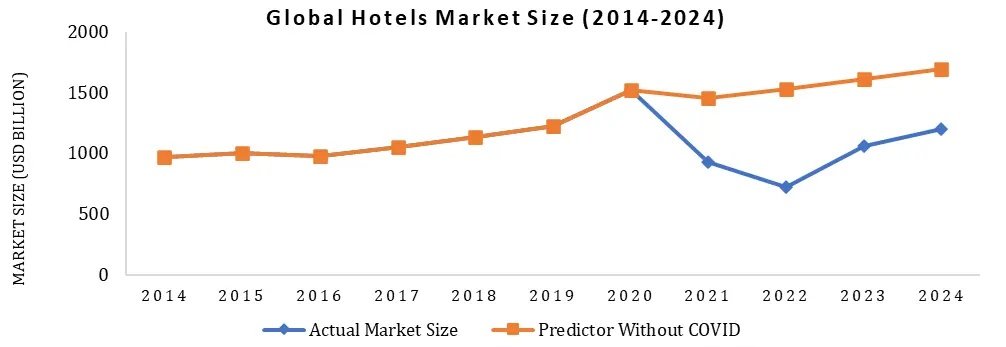
Hotels Market is entering a transformative growth phase, driven by evolving traveler preferences, digital-first booking ecosystems, premium hospitality experiences, and AI-enabled guest engagement. According to Maximize Market Research (MMR), the Hotels Market was valued at USD 1,071.49 Billion in 2024 and is projected to reach USD 2,166.55 Billion by 2032, growing at a CAGR of 9.2% during 2025–2032. The industry is witnessing unprecedented momentum as consumers increasingly seek personalized, technology-enabled, wellness-focused, and sustainable travel experiences.
The next generation of hospitality is being shaped by digital transformation, direct-to-consumer engagement, smart pricing strategies, and AI-powered personalization. Hotel operators are leveraging guest data analytics, cloud-native operations, revenue optimization technologies, and omnichannel booking ecosystems to improve profitability and strengthen customer loyalty. According to MMR, the industry’s future growth will be determined less by physical inventory and more by the ability to understand guest preferences, anticipate needs, and deliver seamless experiences across every touchpoint.
Consumer Transformation Boom Driving Industry Growth
The hospitality sector is experiencing strong demand from both leisure and business travelers. Rising disposable incomes, expanding middle-class populations, growing international tourism, and increasing demand for premium experiences continue to fuel market expansion.
Consumers are increasingly prioritizing:
- Personalized travel experiences
- Wellness and spiritual tourism
- Luxury and premium accommodations
- Mobile-first booking platforms
- Sustainable and eco-friendly hotels
- AI-powered guest services
- Contactless check-in and smart-room technologies
- Loyalty-driven direct booking programs
The growing influence of digital commerce has encouraged hotels to strengthen direct booking channels while simultaneously optimizing their presence across online travel agencies (OTAs), corporate travel platforms, and mobile applications. MMR identifies loyalty economics, distribution control, and experience design as critical profit drivers throughout the forecast period.
Key Market Segments
By Hotel Type
- Business/Commercial Hotels
- Boutique Hotels
- Resort Hotels
By Price Level
- Luxury Hotels
- Upscale Hotels
- Midscale Hotels
By Room Capacity
- Small Hotels
- Medium Hotels
- Large Hotels
By Business Model
- Individual Hotels
- Chain Hotels
- Others
Luxury, wellness-oriented, and experience-driven hospitality offerings are emerging among the fastest-growing segments as consumers increasingly seek customized and premium travel experiences.
Technology Investments Reshaping Hospitality
Major hotel operators are accelerating investments in digital technologies to enhance guest engagement and operational efficiency. Across global markets, hotels are adopting AI-powered revenue management systems, predictive analytics, smart room controls, IoT-enabled infrastructure, automated customer service platforms, and advanced personalization engines.
Recent industry developments include:
- Expansion of AI-driven pricing and revenue optimization tools
- Cloud-based hotel management platforms
- Contactless guest experience technologies
- Digital loyalty ecosystems
- Sustainability-focused property upgrades
- Strategic partnerships with travel technology providers
- Mobile-first booking innovations
- Data-driven customer engagement platforms
Hotels increasingly resemble technology companies, utilizing real-time analytics and intelligent automation to optimize occupancy, enhance customer satisfaction, and maximize revenue generation.
Explore detailed analysis, insights, and growth opportunities : https://www.maximizemarketresearch.com/request-sample/47478/
Regional Outlook: Global Hospitality Expansion Accelerates
United States
The U.S. remains one of the world’s most influential hotel markets, supported by strong domestic tourism, business travel demand, premium hospitality brands, and extensive digital booking adoption. Asset-light expansion strategies and technology-enabled guest experiences continue to drive industry modernization.
United Kingdom
The UK hospitality sector is benefiting from increased international tourism, luxury travel demand, and investments in digital guest services. Premium hotel brands are expanding loyalty programs and sustainable accommodation offerings to attract high-value travelers.
Germany
Germany continues to be a major European hospitality hub, supported by business travel, trade exhibitions, and strong domestic tourism. Digital booking adoption and sustainability-focused hotel investments remain key growth drivers.
Japan
Japan’s hotel industry is benefiting from international tourism recovery, smart hospitality technologies, and increasing demand for premium travel experiences. Luxury and technology-enabled accommodations continue gaining popularity.
South Korea
South Korea is witnessing rising demand for digitally connected hospitality experiences, smart hotel infrastructure, and premium lifestyle tourism. Mobile booking platforms and AI-powered guest engagement solutions are increasingly adopted.
China
China remains one of the fastest-growing hospitality markets globally. Urbanization, rising disposable incomes, digital commerce ecosystems, and domestic tourism growth continue supporting hotel investments and expansion strategies.
India
India represents one of the most attractive hospitality growth markets globally. MMR reports that advanced technologies including AI, IoT, and data analytics are creating significant opportunities across the sector. Chain hotels account for approximately 40% of the market and continue expanding aggressively across Tier-2 and Tier-3 cities. Increasing tourism, rising incomes, and evolving consumer preferences are supporting long-term growth.
Competitive Landscape and Future Opportunities
The Hotels Market remains highly competitive, with leading global and regional operators focusing on innovation, strategic partnerships, sustainability initiatives, technology adoption, and market expansion. Major companies continue strengthening their competitive positions through premium property development, digital transformation investments, customer experience enhancement, and omnichannel engagement strategies.
Looking ahead to 2032, wellness tourism, sustainable hospitality, AI-driven personalization, direct booking ecosystems, cloud-native hotel operations, and premium guest experiences are expected to generate substantial opportunities. As digital consumer behavior evolves and experiential travel becomes increasingly important, hotels that successfully combine technology, sustainability, and personalization will be best positioned to capture future growth.
With revenue expected to surpass USD 2.16 Trillion by 2032, the Hotels Market is entering a new era defined by smart consumer trends, premiumization, and the ongoing digital transformation of global hospitality.
Explore More: Visit our website for Additional reports :
Chemistry 4.0 Market https://www.maximizemarketresearch.com/market-report/chemistry-4-0-market/171629/
Chronic Obstructive Pulmonary Disease Drugs Market https://www.maximizemarketresearch.com/market-report/chronic-obstructive-pulmonary-disease-drugs-market/194113/
Contact :
MAXIMIZE MARKET RESEARCH PVT. LTD.
2nd Floor, Navale IT Park Phase 3
Pune Banglore Highway, Narhe
Pune, Maharashtra 411041, India
+91 9607365656
sales@maximizemarketresearch.com