E-Waste Management Market Size by Type of Electronic Waste, Source of Generation, Collection Methods, Recycling Processes, End-Use Industries, Channel of Disposal, Stakeholders, Region – Revenue Pool Analysis, Margin Structure Assessment, Capital Flow Trends, Competitive Benchmarking & Forecast to 2032
The global E-Waste Management Market is entering a period of accelerated expansion as governments, corporations, and consumers increasingly recognize the environmental and economic value of responsible electronic waste disposal. The market was valued at USD 85.48 billion in 2025 and is projected to reach USD 230.16 billion by 2032, expanding at a CAGR of 15.2% during the forecast period. Rapid digitalization, shorter replacement cycles for electronic devices, and stricter environmental regulations are together creating a strong demand base for e-waste collection, recycling, recovery, and disposal services.
E-waste management includes the organized collection, dismantling, recycling, reuse, and safe disposal of discarded electronic products such as computers, mobile phones, televisions, batteries, networking equipment, industrial electronics, and consumer appliances. The sector is becoming increasingly important because electronic waste contains hazardous materials such as lead, cadmium, mercury, and brominated flame retardants, while also containing valuable recoverable metals including gold, copper, aluminum, silver, cobalt, and rare earth elements.
♦ Request a Free Sample Copy or View Report Summary:https://www.maximizemarketresearch.com/request-sample/188520/
Market Structure and Revenue Pool Analysis
The largest revenue contribution currently comes from the collection and recycling of consumer electronics and IT equipment. Computers, laptops, mobile phones, and networking devices account for a substantial share of the global e-waste stream due to rapid technology upgrades and high replacement frequency. Mobile phones are expected to register the fastest growth rate because of their short product life cycle and increasing global smartphone penetration.
By type of electronic waste, computers and peripherals dominate the market owing to high corporate disposal volumes and large-scale IT asset replacement programs. Televisions and display devices contribute significantly due to the transition from older CRT units to flat-panel displays. Other categories such as industrial equipment, batteries, household appliances, and automotive electronics are gaining momentum as electric vehicles and smart home systems become more widespread.
From a revenue pool perspective, the commercial and industrial sectors generate the highest value within the market. Large enterprises, data centers, telecom providers, healthcare facilities, and manufacturing companies generate substantial volumes of obsolete equipment that require secure destruction and certified recycling. Residential e-waste remains a large but relatively underpenetrated segment because household consumers often lack awareness or convenient collection channels.
Source of Generation and Collection Methods
The market is segmented by source of generation into residential, commercial, and industrial categories. Commercial organizations currently account for the largest share due to the frequent disposal of office electronics, communication devices, servers, and data storage equipment. Industrial facilities are increasingly contributing to market growth because of automation upgrades and replacement of electronic control systems. Meanwhile, residential generation is expected to grow strongly as households replace smartphones, televisions, gaming devices, and home appliances at a faster pace.
Collection methods play a critical role in determining the efficiency and profitability of the market. Drop-off centers currently hold the leading share because they are relatively cost-effective and widely adopted in developed economies. Curbside collection programs are expanding rapidly in urban regions due to convenience and strong municipal participation. Collection events, buy-back schemes, and retailer take-back programs are also emerging as effective approaches for improving consumer participation.
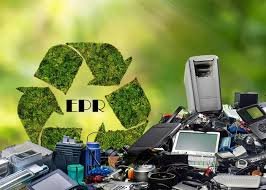
Extended Producer Responsibility (EPR) programs are increasingly influencing collection trends. Under EPR regulations, electronics manufacturers are required to finance or manage the collection and recycling of end-of-life products. This is encouraging major electronics companies to establish formal collection networks and reverse logistics systems.
Recycling Processes and Margin Structure
Mechanical recycling remains the dominant recycling process in the global e-waste management market. This method involves dismantling electronic devices, shredding components, and separating materials such as metals, plastics, and glass. Mechanical recycling is preferred because it offers lower operating costs and is suitable for large-volume processing.
Hydrometallurgical and pyrometallurgical processes are witnessing rising adoption due to their ability to recover high-value precious metals from complex electronic waste streams. Hydrometallurgical recycling uses chemical solutions to extract metals such as gold, silver, copper, and cobalt, while pyrometallurgical methods use high-temperature treatment. Although these processes require greater capital investment, they generate higher profit margins because of improved recovery rates.
Margin structures vary significantly across the value chain. Collection and logistics providers generally operate with lower margins due to transportation and labor costs. In contrast, companies specializing in advanced material recovery and precious metal extraction achieve stronger profitability. Businesses focused on lithium-ion battery recycling and rare earth recovery are expected to witness the highest margin expansion through 2032 because of rising demand from electric vehicles, renewable energy systems, and consumer electronics.
Capital Flow Trends and Investment Landscape
Capital inflows into the e-waste management market are increasing rapidly as investors recognize the long-term value of circular economy models. Venture capital firms, infrastructure funds, and strategic investors are actively financing recycling plants, automated dismantling facilities, and battery recovery technologies.
Between 2025 and 2026, several major companies announced large-scale expansion projects. Attero Recycling invested heavily to expand its copper and e-waste recycling capacity across India, while RecycleKaro tripled the capacity of its Palghar facility. Similar investments are being observed across Europe and North America, particularly in lithium-ion battery recycling and IT asset disposition services.
The strongest capital flow is currently directed toward:
- Lithium-ion battery recycling infrastructure
- Robotic sorting and automated dismantling systems
- Precious metal recovery technologies
- Regional collection and reverse logistics networks
- Secure data destruction and IT asset disposition services
Mergers and acquisitions are also becoming common as companies seek to strengthen their geographic presence and technology capabilities. Large multinational waste management firms are acquiring regional recyclers and battery recovery specialists to build integrated service offerings.
♦ Request a Free Sample Copy or View Report Summary:https://www.maximizemarketresearch.com/request-sample/188520/
Competitive Benchmarking and Industry Landscape
The competitive landscape of the E-Waste Management Market is moderately consolidated, with a combination of global waste management leaders, specialized recyclers, and regional players competing on scale, technology, compliance, and recovery efficiency.
Sims Limited and Veolia Environnement S.A. remain among the strongest global competitors due to their broad recycling networks, advanced recovery technologies, and extensive presence across North America, Europe, and Asia Pacific. Umicore N.V. has established a strong position in high-value metal recovery, particularly for precious metals and battery materials.
Electronic Recyclers International (ERI), TES, WM Intellectual Property Holdings, and Call2Recycle are prominent in North America because of their established collection networks and strong partnerships with manufacturers and retailers. In Asia Pacific, Attero Recycling, E-Parisaraa, Enviro-Hub Holdings, and DOWA ECO-SYSTEM are expanding rapidly through capacity additions and technology upgrades.
Competitive benchmarking indicates that leading companies are focusing on five key differentiators:
- Processing capacity and geographic reach
- Advanced recovery technologies for precious metals and batteries
- Compliance with environmental regulations and data security standards
- Reverse logistics and collection network efficiency
- Strategic partnerships with electronics manufacturers and governments
Companies that successfully combine automated recycling technologies with strong collection infrastructure are expected to gain the highest market share over the next decade.
♦ Make Smarter Decisions in 2026 — Get Your Research Report Now:https://www.maximizemarketresearch.com/market-report/e-waste-management-market/188520/
Regional Analysis
North America currently leads the global e-waste management market due to strong environmental regulations, established recycling infrastructure, and high awareness levels among businesses and consumers. The United States and Canada benefit from extensive collection networks and advanced recycling facilities.
Europe represents the second-largest market, supported by strict directives related to Waste Electrical and Electronic Equipment (WEEE). Countries such as Germany, France, the United Kingdom, and the Netherlands continue to invest heavily in formal recycling infrastructure and circular economy initiatives.
Asia Pacific is projected to be the fastest-growing regional market through 2032. Rapid urbanization, rising electronics consumption, and growing regulatory enforcement in China, India, Japan, South Korea, and Southeast Asia are driving strong demand for e-waste management services. India in particular is emerging as a major growth hub due to rising smartphone penetration, increasing industrialization, and large-scale investments in recycling infrastructure.
Latin America and the Middle East & Africa are still at an earlier stage of development but are expected to witness gradual growth as governments implement new e-waste regulations and awareness campaigns.
◉ Get Market Research Latest Trends
Global Version Control System Market https://www.maximizemarketresearch.com/market-report/global-version-control-system-market/13219/
Global Unified Monitoring Market https://www.maximizemarketresearch.com/market-report/global-unified-monitoring-market/3824/
Global Simultaneous Localization and Mapping (SLAM) Market https://www.maximizemarketresearch.com/market-report/global-simultaneous-localization-and-mapping-slam-market/27567/
About Maximize Market Research:
Maximize Market Research is a multifaceted market research and consulting company with professionals from several industries. Some of the industries we cover include medical devices, pharmaceutical manufacturers, science and engineering, electronic components, industrial equipment, technology and communication, cars and automobiles, chemical products and substances, general merchandise, beverages, personal care, and automated systems. To mention a few, we provide market-verified industry estimations, technical trend analysis, crucial market research, strategic advice, competition analysis, production and demand analysis, and client impact studies.
Contact Maximize Market Research:
3rd Floor, Navale IT Park, Phase 2
Pune Bangalore Highway, Narhe,
Pune, Maharashtra 411041, India
sales@maximizemarketresearch.com
+91 96071 95908, +91 9607365656